
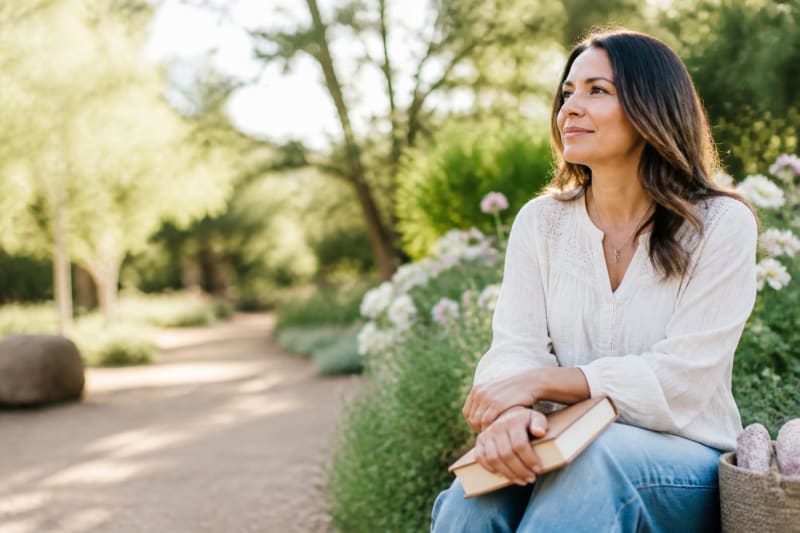

Trust in God: Finding Steady Hope When Life Feels Uncertain Today
I remember a season when plans fell apart and fear pressed in. If you’ve ever asked where God is in the mess, you’re not alone. I learned to practice trust in god not as a slogan but as a daily habit. It was small at first—a choice to breathe, a decision to pray, a moment to listen for a gentle nudge in the stillness.
And yes, there were long nights and questions that didn’t have neat answers. But here’s the thing I discovered: trust in god isn’t a magic fix. It’s a steady decision to keep showing up for God, even when the outcome isn’t clear. It’s choosing to believe that God’s love is bigger than the fog of fear. It’s learning to walk forward one brave step at a time, hand in hand with a faithful God who meets us in the ordinary moments as well as the extraordinary ones.
Let me tell you about a rhythm that began to form in the middle of the waiting. I started small. A breath before a meeting. A prayer before coffee. A reminder on my phone: trust in god. And gradually, the rhythm grew into something more: a daily posture of allowing God to reframe fear, reorder priorities, and quiet the ache with grace. You see, trust in god isn’t about pretending everything is okay. It’s about choosing to believe that God is present, that he is good, and that he is with us in the details of our days.
What trust in god really looks like in daily life
A simple definition you can live with
For me, trust in god starts with a definition I can practice. It means choosing to turn toward God when anxiety rises and to align my actions with what I know to be true about him. It’s not a perfect faith, but a practical one. It’s saying yes to the next right thing even when the road ahead is unsure. It’s letting hope lead the way while fear takes a back seat.
Trust in god also means inviting God into the ordinary. It’s showing up for the day with open hands and a teachable heart. It’s acknowledging what I cannot control while clinging to the promises I can. And it’s remembering that trust is a habit, not a one-time decision. The more I practice it, the more natural it feels to bring God into the small choices and the big storms alike.
Trust in god in small choices
Small choices matter. They shape the overflow of our hearts. Do I speak kind words when I’m tired? Do I slow down enough to listen to a coworker who needs to be heard? Do I resist the urge to control a situation and instead offer what I have to God first? These tiny acts are not trivial. They are the soil in which trust in god grows roots that anchor us when the weather turns fierce.
One morning I made a simple decision that felt insignificant in the moment. I paused before replying to a difficult message and chose words that built up rather than cut down. That small pause was a tiny doorway back to trust in god. And honestly, it reminded me that even a chat at the kitchen table can become a step toward steadiness when we invite God into it.
Trust in god in big storms
Big storms aren’t just upheavals in plans; they test the bedrock of our beliefs. When the job layoff came or a health concern loomed, I learned to press into a larger truth: God is bigger than the fear that crowds in. In those moments I tried to name my fear honestly and then offer it to God in prayer. I asked for clarity, for grace, for the next right step, even if that step was simply to wait with hope a little longer.
Believing in a God who sees what we cannot see is a practice. It doesn’t erase the ache, but it reframes it. It invites us to step toward healing with courage rather than retreating in despair. And with each step, trust in god grows a little stronger, a little more resilient, a little more sure that God’s faithfulness endures when our plans falter.
Practical steps to grow trust in god this season
If you’re listening for a practical path, here are simple steps I use to cultivate trust in god in everyday life. They’re not fancy, just honest and doable. The goal is not perfection but steady faith that meets real life with real God.
- Pray honestly about your fears and ask for direction, not just reassurance
- Read scripture aloud and listen for what God is inviting you to believe
- Keep a small journal of moments you see God’s faithfulness in tiny ways
- Name one thing you can surrender today and take a small action toward it
- Choose a community normalizing doubt and encouraging growth
There are days when the practice feels slow and fragile. That’s not a failure; it’s part of the rhythm. Over time, the small acts accumulate. You start noticing the way God shows up in conversations, in weathered smiles, in a difficult conversation that ends with grace. Your capacity for trust grows because you’ve learned to welcome God into the day, not just into the grand moments of life.
In the midst of uncertainty I’ve learned to lean into scripture, to lean on people who care, and to lean into moments of stillness. It’s not about pretending nothing hurts. It’s about choosing to move forward with hope in the heart and a plan for the next right step. That is the essence of trust in god—not a denial of pain, but a confident step toward God’s presence in it.
Scriptural anchors you can lean on when trust feels fragile
The Bible isn’t a trophy shelf of perfect moments. It’s a map for real life. The words you read there aren’t meant to shame you for feeling uncertain. They’re meant to invite you to trust in god with a patient, courageous heart.
One anchor is John 14:1 in CSB: Your heart must not be troubled. Believe in God; believe also in me. This reminder invites us to choose belief even when the path ahead looks foggy. It’s not a demand for flawless faith; it’s a call to lean in close to the One who walks with us. Another touchstone is Proverbs 3:5-6: Trust in the Lord with all your heart and do not lean on your own understanding; in all your ways know him, and he will make your paths straight. When I read that, my posture shifts from control to surrender, from urgency to trust. And in those shifts, hope becomes more than a feeling it becomes a practiced way of life.
Here’s the thing about trust in god: it grows best in community. We learn to ride out the uncertain seasons when we’re not alone. We share verses that encourage, we hold space for questions, and we remind one another that God is faithful in the small and the great alike. If you have a friend who needs hope today, bring them into this rhythm. You’ll both be surprised at how quickly a conversation can turn toward light when trust in god is the center of it.
A daily rhythm that sustains trust in god
Consistency creates confidence. I’ve found that a simple daily rhythm keeps trust in god from slipping away in the noise of life. Here are some practical elements that fit into a busy schedule and actually work:
- Begin with a short prayer and a breath prayer for presence
- Read a short portion of scripture and note one line that speaks to you
- Write one sentence about what you will do today to honor your trust in god
- Share a hundred-word update with a trusted friend about how you’re leaning on God
- End the day with gratitude, naming at least two things you saw God do
That rhythm is not a project; it’s a way of living. It keeps the focus on what matters and helps you see small mercies when everything else seems blurry. It reminds you that you are not alone, that you have a Father who cares, and that trust in god is something you practice even when your heart is unsettled.
When days feel heavy, I return to these truths: God loves you deeply, he is present with you now, and his plan for your life includes restoration and renewal. The journey toward steadier faith is not rushed. It is strengthened with every step you take toward the light, with every act of kindness you extend, and with every whispered prayer that invites God to lead the way.
Closing thoughts: we walk this path together
My friend, the road may curve, and the weather may change. Yet the invitation remains clear: trust in god as a daily practice that grows with your faith. We are not asked to have it all together before turning toward him. We are invited to turn toward him now and let his grace do the rest. And as we do, we discover that steadiness is not a destination, but a companion we carry with us into each new day. You are not alone in this. We are in this together, learning to trust in god, to live with hope, and to keep showing up for one another with gentleness and courage.


