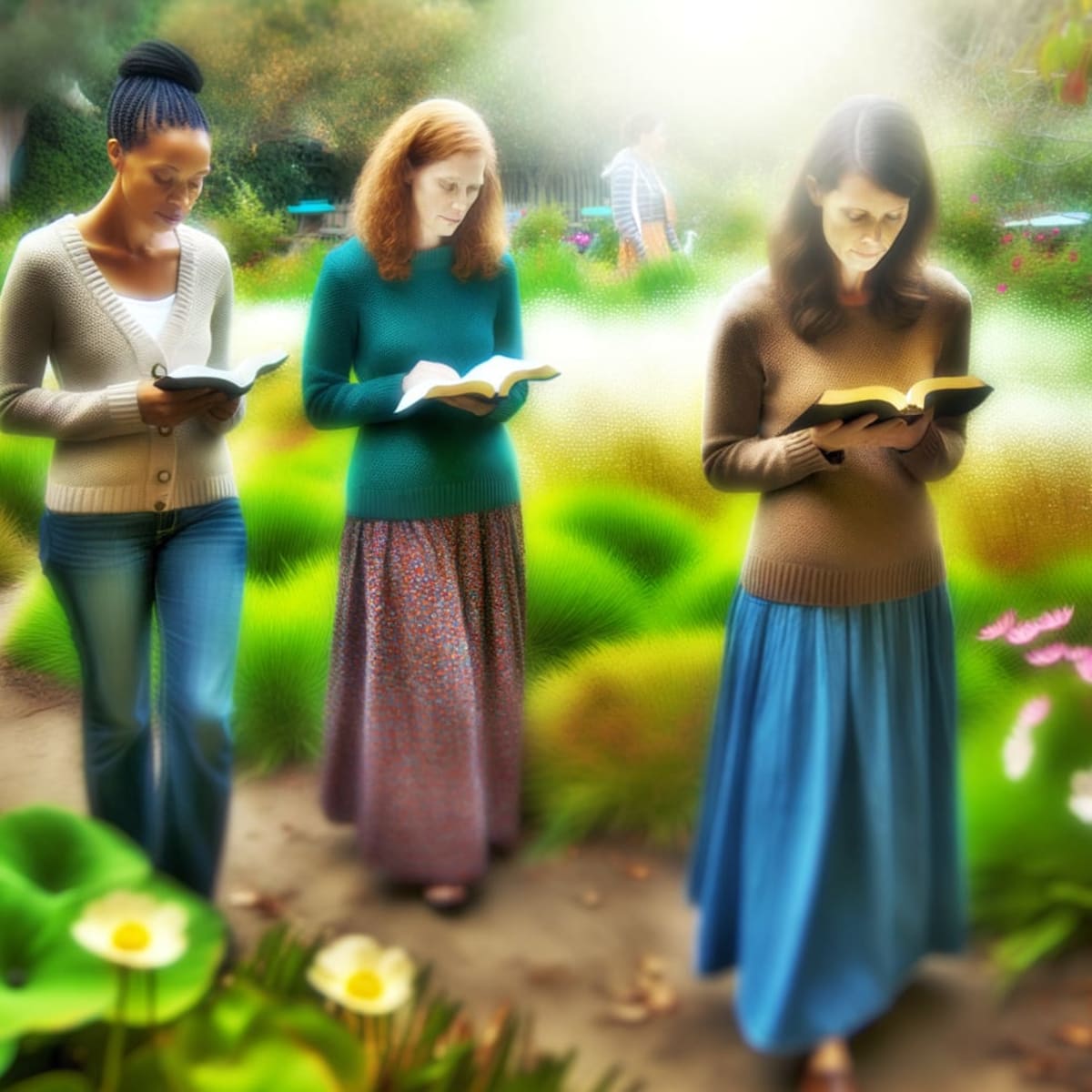

I’ve learned that the best stories don’t come perfectly wrapped with a bow. They breathe as they’re told. And that is exactly what I want to invite you into today—sharing unfinished story with hope, right where you are, as it’s unfolding. It’s messy and real, yes, but there’s power in honesty and grace that can move a room from sympathy to communion. If you’ve ever felt the pressure to polish your testimony before you share, you’re not alone. I want to walk with you through a gentler, truer path—the one that invites God’s healing into the everyday work of telling our stories.
I learned this from Jessica’s voice—the warmth, the real talk, and the way she moves from a small moment to a larger truth. It’s not about perfection; it’s about availability to God in the moment. And you’ll hear it in her rhythm—start with a question, lean into a concrete detail, then offer a hopeful turn. So today I’m echoing that same pattern for us. And yes, this is about your in-progress journey more than a finished testimony. Sharing unfinished story with hope can be the bridge someone needs to trust God with their own process. I know that because I’ve stood on the other side of fear and found a gentler courage waiting there by the mercy of God.
Let me tell you a bit of the why before we dive into the how. Your story matters not because it’s flawless, but because you bring your real self to the table. The people in your circle—that coworker you love, the friend you’ve prayed for, the sister in your small group—need to see a real faith lived out in real time. When you share your unfinished chapters, you offer a map for others who are still writing theirs. And when we write together, we grow in hope and in trust. That’s what we’re aiming for here—the kind of sharing that invites God to meet us where we are and to guide us toward the next right step.
As you step into this, remember this one anchor: the verse that has carried many of us through uncertain seasons. Revelation 12:11 CSB says, “They triumphed over him by the blood of the Lamb and by the word of their testimony; they did not love their lives so as to shrink back from death.” This isn’t a demand to perform a polished story, but an invitation to testify to God’s work in progress—to declare what He’s shown you, even if you’re still learning. When we tell our stories with honesty and trust, we invite others to lean into God’s heart for transformation and renewal. This is how we build community that heals and hopes, one small confession at a time. And it starts with simple steps, right where you live.
What does sharing unfinished story with hope look like in real life?
Starting where you are
Let me tell you something I’ve seen over and over. Real change begins when we stop pretending we’ve got it all figured out. If you’re still writing your chapters, begin by naming one small truth you’ve learned this week. It could be a moment of grace, a forgive-and-forget, or a small victory in showing up with honesty. Start with a sentence or two, then pause. You don’t need a grand finale to be honest about the current season. And if you’re unsure what to share, ask a trusted friend to listen and reflect back what they heard. The poke of a simple question can open a door to deeper trust.
In our conversations with readers and in my own conversations with women in our community, I’ve seen a pattern. A short, concrete share followed by a prayer or a blessing moves people more than a long sermon ever could. So begin small. You’ll be surprised how your courage grows when you give yourself permission to go slow and be true.
Let honesty lead
Honesty isn’t harsh or heavy when it’s tethered to grace. Here’s the thing: you don’t have to tell everything at once. You can tell enough to invite resonance without oversharing boundaries or painful details. Speak from the heart, not the fear of judgment. When you’re tempted to embellish, pause and ask, “Would this help someone feel seen by God or just heard by me?” Most often, the simplest truth—what God did in your small moment of surrender—lands the deepest with others.
Why in-progress testimony can be powerful
A map for others
People love a map more than a trophy. A map shows the terrain—where you found hope, where you stumbled, and where you learned to trust God again. Your unfinished chapters can become a guide for someone who’s staring at a blank page themselves. When we share the honest parts we’re still navigating, we offer companionship that says you’re not alone in the hallway waiting for the door to open. We’re on the same path, moving toward a kinder, truer version of ourselves in Christ.
Hope that feels reachable
Hope isn’t a loud proclamation every hour. It’s a steady breath that says, “We can keep going.” When we share our ongoing stories, we model hope in action. We show that transformation isn’t a single moment but a rhythm—confession, grace, practice, repeat. And the strength we glimpse in those moments—God’s strength—is contagious. It invites others to show up with their own unfinished truths and to trust that God can meet them there, too.
Practical steps to share with wisdom and grace
3 simple steps you can start today
- Pick one concrete moment where you saw God at work and share it with a friend or small group.
- Set a boundary and keep it. Decide what you will and will not share. Boundaries honor both you and the people listening.
- Include a prayer or a blessing at the end. Invite others to bring their questions and prayers into the conversation.
Here’s a practical script you can adapt: “I’m still learning this, but here’s what I’ve seen God do this week. It’s imperfect, but it’s real. Would you pray with me as I figure out the next step?” You’ll notice that the honesty invites connection, not performance. And that connection is where healing begins.
Guarding your heart while you share
It’s okay to protect your heart. You don’t owe everyone every detail. You owe your truth to God and to those you trust. If a listener’s response feels heavy or invasive, name it gently. You can say, “I’m processing this right now—thank you for listening.” This keeps the conversation safe, sacred, and ongoing.
Living hope in community
A shared practice of witness
When we write our stories in community, we translate personal healing into collective healing. We learn to celebrate the small wins, to hold each other in the quiet mornings, and to keep showing up even when the chapter isn’t finished. We are a community in motion, learning to trust God not because the path is easy, but because He is faithful in the process.
A daily rhythm of trust
Make room for your ongoing story in your daily life. A simple morning ritual—read a verse, jot a line you’re learning, share it with a friend—keeps hope top of mind. When you live in that rhythm, your unfinished story becomes a living example of faith in action. And that is exactly how we encourage others to discover their own process with God.
Final encouragement
So yes, share your unfinished story with hope. Not as a polished product, but as a living, breathing witness to God’s work in real time. You are not alone in this—our community is with you, every step of the way. And when you pause to remember the truth you know in your bones—that God is good, that He is faithful, and that your voice matters—you’ll find the courage to take the next small step. We can do this together, hand to heart, one honest sentence at a time. If you want to hear more about this approach, I’d love for you to join our next conversation where we talk through practical, hopeful storytelling in everyday life.
In the end, your testimony is a gift to the people around you and a gift to you. It isn’t about perfection; it’s about faithfulness. It’s about choosing hope when the pages feel unfinished and inviting God to write the next line with you. And that is exactly the story I want to read and to tell with you—the story of healing, renewal, and transformation that happens when we dare to share with honesty and hope.
Hand to heart,
Your friend and fellow traveler
To go deeper, listen to our latest conversation on the podcast where we explore in-progress testimonies and how they invite others into God’s redeeming work. And if you’re reading this and feeling unsure, remember you’re not alone. We’re in this together, and together we will walk toward the next right step with courage and grace.
Note on voice reference I’ve leaned into the patterns outlined in Jessica DeYoung’s style guide which emphasizes a warm, direct, conversational approach with questions, personal stories, and Scripture integrated naturally. This approach shapes the rhythm, the direct reader address, and the hopeful, practical tone you see above.