
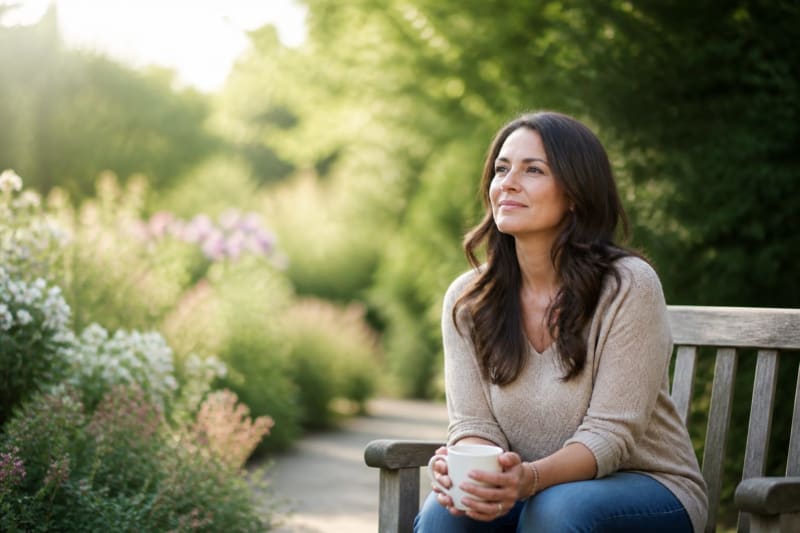

Moving from Competence to Dependence: a Path for Everyday Faith
Hey, friend. If you’re tired of trying to prove you’ve got what it takes, you’re in the right place. Today I want to talk about a shift that isn’t flashy but is deeply real: moving from competence to dependence. This isn’t about discarding your gifts or pretending you don’t know what you’re doing. It’s about learning to lean into God in the daily, ordinary moments—the times when no one is watching and the phone buzzes with a dozen distractions. It’s about letting Him carry you when you feel the weight of leading, loving, and showing up. This is for the mom, the coworker, the friend, the neighbor—everyday lives lived with a faith that grows softer, truer, and more usable by grace.
Moving from competence to dependence isn’t a demolition of your skills. It’s a refinement—where your abilities meet God’s power in real time. It’s a shift in what we measure as success, from how much we can do to how faithfully we invite Him into the doing. It’s a quiet invitation to reframe leadership, ministry, and even rest as acts of trust rather than performances. And yes, it can feel vulnerable. But vulnerability isn’t weakness when it’s tethered to God’s guiding hand. If you’re nodding along, you’re not alone. Our gatherings, conversations, and everyday choices are all part of this shared journey toward deeper dependence.
Table of Contents
- What moving from competence to dependence really means
- How this shift shows up in everyday moments
- Biblical foundation for dependence
- Practical steps to practice dependence today
- Living this out in community
- Key takeaways
- A gentle invitation to action
What moving from competence to dependence really means
Let me tell you what this shift feels like in real life. It starts with a feeling—less need to prove, more space to listen. It isn’t about abandoning competence; it’s about repositioning it so God can use it in ways we often don’t predict. The phrase I keep returning to is moving from competence to dependence. When I say it aloud, I notice my shoulders relax just a touch. It’s a practice of saying yes to God and yes to the moment I’m in, not a perpetual sprint toward the next milestone.
Here’s the thing: in the early chapters of our lives, we chase competence because it feels safe. It gives us a map, a plan, a trail we can follow. But as life unfolds—work demands, family needs, unexpected health twists—the map can feel less like a compass and more like a weight on our pack. That’s when dependence steps in. It isn’t passive; it’s purposeful. It’s choosing to invite God into the next meeting, the next conversation, the next quiet meal when the house is finally still. It’s choosing to trust His timing more than our timeline. And yes, that means sometimes choosing to say no to good things so we can say yes to the best thing—abiding in Him who holds us steady.
How this shift shows up in everyday moments
Think about your morning routine. You brew coffee, you check your phone, you plan your day. The ordinary can feel like a runway for dependence when you invite God into the small decisions. I’ve learned to practice 15-minute increments—this minute I’m focused on one task, the next I’ll pause and listen, the next I’ll choose presence over speed. It sounds tiny, but it creates a different rhythm. Through those minutes, I’m learning to recognize what I’m leaning on. Is it my experience, my track record, my ability to deliver? Or is there room for the Holy Spirit to guide next steps that aren’t in my playbook?
Moving from competence to dependence also changes how we handle feedback and conflict. When you’ve trusted your own know‑how for years, you can interpret critique as a threat. But when you’re learning to depend on God, critique becomes a chance to hear more clearly, to adjust, to lean into humility. And humility doesn’t deflate your leadership; it actually models your trust in a Greater Leader. In my own days on the job, I’ve found that taking a breath, pausing to ask, “What is God saying here?” often yields a wiser decision than the loudest impulse.
Another everyday moment: boundaries. Saying no to some requests is painful but essential. Dependence isn’t passivity; it’s courage fueled by grace. It means protecting your time so you can protect your heart. It means letting people see you’re not available all the time, but you are consistently available to God. The people who matter most will sense that steadiness—because you’re living out a trust that isn’t dependent on the latest outcome or applause.
Biblical foundation for dependence
This isn’t a new idea; it’s a return to what Jesus modeled and invites us into. In John 15:4-5 CSB, Jesus says, "Abide in me, and I in you. No branch can bear fruit by itself; it must remain in the vine. Neither can you bear fruit unless you remain in me." This is the core truth we’re learning to live out: real fruit comes from staying connected to the source of life. Abide, remain, stay close—these words point to a daily choice, not a one-time decision. The more I lean into that divine cadence, the less I rely on my own momentum and the more I rely on His presence alongside me.
In Revelation 3:20, we’re reminded that Christ invites us to open the door and dine with Him. Dependence isn’t a distant obligation; it’s a present relationship. When I read those verses in CSB, I picture Him right here, shoulder to shoulder, guiding the next small step as I prepare breakfast, send an email, or listen to a friend in need. The goal isn’t to perform flawlessly; it’s to stay anchored in Him as life unfolds. And yes, there are days when it feels slow—a long obedience in the same direction. That steady rhythm is precisely what nourishes growth from the inside out.
Practical steps to practice dependence today
If you’re wondering how to begin, here are concrete, doable steps you can try this week. It’s not about a perfect ritual; it’s about small, faithful choices that train your heart toward dependence.
- Begin with a 15-minute intentional moment. Pick a time and guard it. Use it to breathe, pray, listen, and notice what your mind does when you slow down.
- Add a 20-minute silence practice in the morning. Silence isn’t empty; it’s space for God to reframe your day. If you’re new to silence, start with one minute and build from there.
- Invite God into ordinary tasks. When you wash dishes, fold laundry, or commute, pause and ask, What are you saying here, Lord? What is my next right step that reflects trust rather than effort?
- Learn to say no to certain commitments. This is a kindness to yourself and to the people you serve. It creates room for the yes that truly matters.
- Create a small ritual of dependence. It could be a verse you repeat, a line from a song, or a simple phrase you whisper under your breath during the day: Stay with me, Lord. Stay with me.
The aim is not to abandon competence but to reframe it as a vehicle for dependence. You’ll still be capable, but your boundaries, your time, and your attention will be directed by a daily posture of trusting Him. Dependence isn’t a retreat from action; it’s a smarter, more hopeful way to act—rooted in divine wisdom rather than personal hustle.
Key takeaways
- Moving from competence to dependence means inviting God into everyday decisions, not erasing your skills.
- Small consistent practices—like 15-minute increments and 20 minutes of silence—transform how you live the day.
- Biblical grounding in John 15 and other CSB passages shows dependence as a thriving relationship, not a burden.
- Setting healthy boundaries and saying no to the nonessential makes space for the essential Yes.
Living this out in community
Community matters in this journey. We aren’t meant to carry the weight alone. When we share our stories, we hear echoes of our own struggles and find courage to keep trying. My friend, one small confession here: I used to think dependence was a private thing, something you worked out on your own. But in reality, dependence grows strongest in the company of people who remind us to look up, to listen, to slow down. Our community can model this posture—asking good questions, offering grace, and walking together in the rhythm of honest faith. If you have a story about learning to lean into God in daily life, I’d love to hear it. Your voice might be the encouragement someone else needs today.
A gentle invitation to action
If today’s conversation encouraged you, share it with a friend who might need a reminder that healing and renewal can begin in the everyday. And if you’d like to contribute your voice to Perspectives Into Practice, I’d love to have you as a guest on the podcast. Reach out at [email protected] and let’s chat. Remember, even small shifts in perspective can lead to big changes. Now go put those perspectives into practice.
As you close this page, carry this truth with you: your story matters in ways you can’t yet fully see. The way God has met you in the quiet moments is already a gift to someone else who needs hope today. And that very hope can begin with a single choice—to move from competence to dependence in the everyday moments that shape a life of faith.


