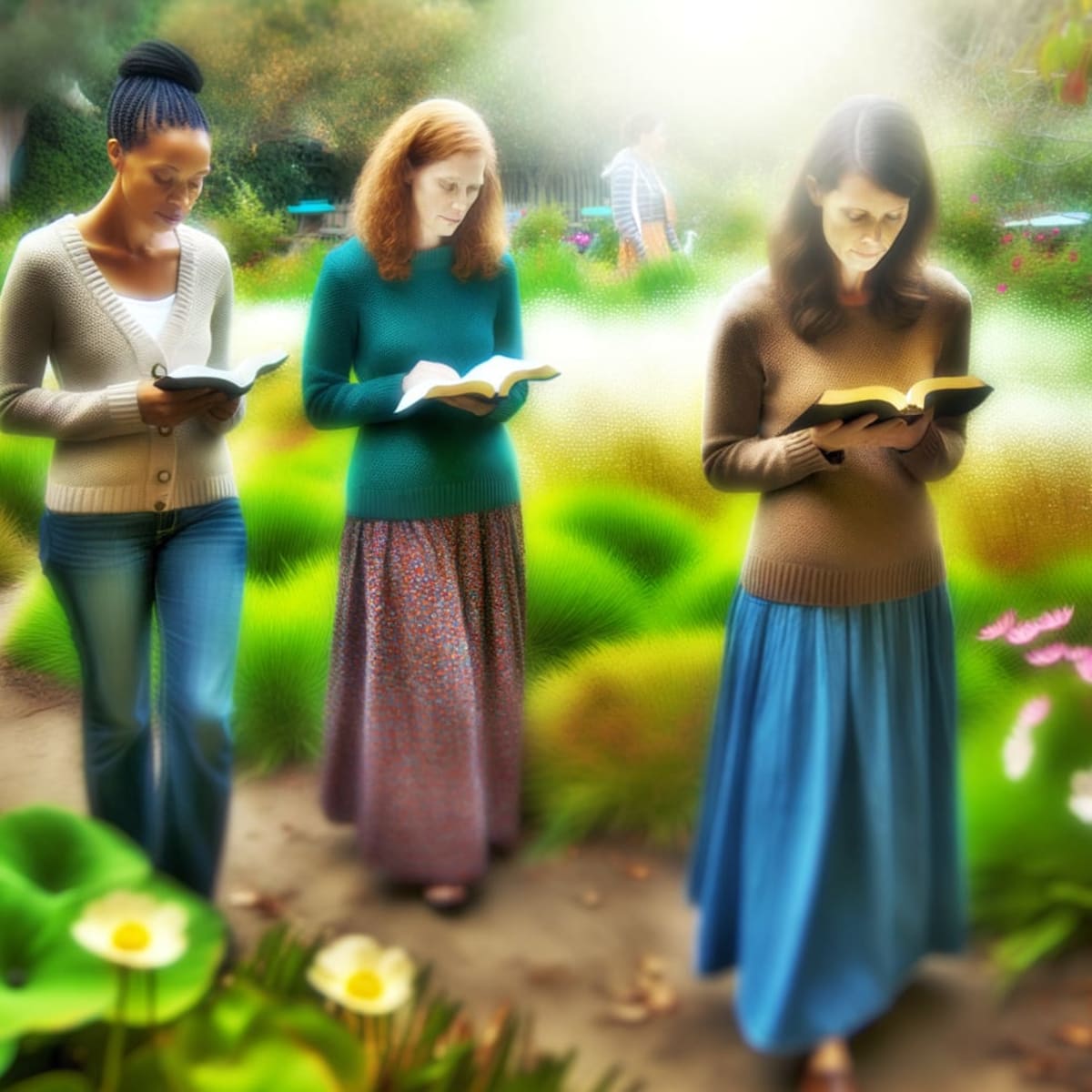

Healthy boundaries in christian community create forgiving freedom.
I want to talk with you like we’re sitting across coffee, sharing a moment that can change how we live out our faith in community. healthy boundaries in christian community aren’t walls that shut people out. they’re openings that invite trust, honesty, and real love. when we pair boundaries with compassionate forgiveness, we free ourselves to love well and to grow together. it’s not about pretending nothing hurts. it’s about choosing a path that leads to healing for us and for our people.
So let’s walk through this together. you’ll hear me use the phrase healthy boundaries in christian community a lot, because it names a practical rhythm for living out our faith with care. it’s not theoretical. it’s lived, day by day, in how we show up in small groups, in church circles, and in the everyday moments where we choose grace over guilt, truth over fear, and connection over isolation.
What are healthy boundaries in christian community and why they matter?
Let me tell you what I’ve learned about boundaries. they aren’t about control. they’re about stewardship—of our energy, our time, and the way we love one another. healthy boundaries in christian community help us protect what matters most while still opening our hands wide to others. they keep our hearts soft and our commitments clear. and when they’re rooted in gospel truth, they don’t push people away. they invite them in, with humility and patience.
In practice, boundary setting begins with clarity. what do I need to feel safe enough to show up honestly? where do I need to protect my family, my health, and my God given calling? how do we say yes to what builds life and no to what drains love away? these questions aren’t about condemnation. they’re about stewardship and service. healthy boundaries in christian community are the framework that makes compassion possible without burnout or resentment.
The balance of grace and limits
Grace invites people in; limits keep the space healthy enough to stay inviting. when we confuse grace with “anything goes,” we miss the deeper work of trust and accountability. and when we treat boundaries as punishment, we miss the opportunity to model faithful living in community. the sweet spot often looks like this: grace leads, boundaries protect, and together they create space for people to thrive under God’s light.
Why community matters for healing and growth
We were made for community. we aren’t meant to process every hurt alone. in a church family, healthy boundaries in christian community help us show up with honesty and tenderness, even when it’s hard. we need space to grieve, to ask hard questions, and to practice forgiveness in real time. the question isn’t whether boundaries exist, but how we keep them generous and living. we keep the door open while we tune our expectations to reality and to God’s leading.
Compassionate forgiveness as the path to safe closeness
Forgiveness is not a one time event. it’s a practice that grows with us, especially when the hurt comes from someone we deeply care about. compassionate forgiveness does not erase pain; it honors truth and invites healing for both sides. healthy boundaries in christian community are the map that helps us walk this road without losing our sense of self or our call to love boldly.
Letting go without pretending
Forgiveness begins with naming what hurts and choosing to release the weight to God. it’s a deliberate act of trust, not denial. when we forgive, we’re not saying what happened was okay; we’re saying we won’t let it dictate our future. this is essential for healthy boundaries in christian community because it protects the unity we’re called to pursue while preserving the space where genuine repair can happen.
Forgiveness that invites accountability
Compassionate forgiveness also invites accountability without shaming. in a healthy church or ministry setting, people are free to acknowledge harm and seek restoration, and those who hurt can learn to respond with humility. healthy boundaries in christian community make room for accountability processes that are fair, clear, and anchored in love for one another and for God.
Scriptural anchors for forgiveness in community
Scripture guides this work with clarity. csb: “Be kind and compassionate to one another, forgiving one another, just as in Christ God forgave you.” (Ephesians 4:32). another anchor, colossians 3:13, invites us to bear with each other and forgive as the Lord forgave us. these verses remind us that forgiveness is a way of life in healthy boundaries in christian community, not a one off action. when we keep these rhythms, we cultivate a culture where healing can flourish and people feel seen, heard, and valued.
Practical steps to cultivate healthy boundaries in christian community
Now, what does this look like in real life? here are practical steps that honor both grace and limits, keeping healthy boundaries in christian community alive and helpful. these are not exhaustive rules. they’re gentle guides to help you stay connected with God and one another without losing your footing.
A simple boundary setting framework
- Identify your needs with honesty. name what drains you and what fills you up.
- Say yes to what aligns with your calling and wellness. you are not responsible for everyone else’s agenda.
- Say no with kindness. a brief, clear boundary statement works wonders.
- Offer alternatives. if you can’t show up, suggest another time or person who can help.
- Review and adjust regularly. healthy boundaries in christian community are living, not fixed in stone.
Practical scripts for compassionate boundary conversations
Sometimes a simple, thoughtful conversation can reset dynamics. here are gentle scripts you can adapt. use them as starting points to keep healthy boundaries in christian community intact while still loving people well.
- "I love you and I want to be honest with you. right now I’m at capacity and I need to protect my energy so I can serve with joy. could we adjust our plan?"
- "Thank you for understanding. I value our time together, and I’d like to set a regular check in that works for both of us."
- "This thing is important to me and I want to honor our relationship. may we involve a trusted pastor or mediator to help us find a healthy path forward?"
Cultivating a community that heals and grows together
Healthy boundaries in christian community shine brightest when the community itself is anchored in love, accountability, and mutual care. we need systems that protect vulnerable hearts, invite healing, and keep everyone moving toward God’s purposes. that means practical structures like clear leadership roles, transparent communication, and regular opportunities for prayer and renewal. it also means emotional work—learning to listen well, validate one another’s feelings, and extend grace when mistakes happen.
Building safe spaces in small groups
Small groups are where healthy boundaries in christian community become living, breathing practice. when group norms are explicit and agreed upon, people feel safe enough to share honestly and to receive correction with gentleness. this is where forgiveness can rise from a whispered hurt to a shared renewal. together, we learn to protect one another and to celebrate what God is doing in us all.
Community rituals that foster trust
Rituals like regular check ins, confession of burdens in a safe setting, and collective prayer time reinforce healthy boundaries in christian community. they remind us we are not alone, that we are seen, and that grace is a daily practice. as we show up consistently for one another, we build a relational fabric that can bear heavier loads without tearing.
Scripture as your guide in building healthy boundaries in christian community
Scripture provides a compass when the path feels uncertain. through the lens of healthy boundaries in christian community, verses about love, patience, and forgiveness become actionable. i’ve found it helpful to write key verses as reminders to keep boundaries warm, not cold; firm, not harsh. a short, daily dose of truth can steady your heart when conflict rises or when you feel the weight of unmet expectations.
Revisiting God’s design for community
Genesis reminds us that we are made for relationship, and the gospel shows us how to live with one another in a way that honors God. when we approach boundaries with Gospel-centered love, we protect the vulnerable, give room for healing, and invite others into the ongoing work God is doing in and through us. healthy boundaries in christian community become not a barrier but a bridge to deeper trust and lasting transformation.
Prayer, study, and mutual accountability
We stay grounded by praying for one another, studying Scripture together, and inviting trusted friends to hold us accountable in love. these practices sustain healthy boundaries in christian community over time, especially when life gets busy or relationships get complicated. in the end, it is God who sustains the work—our job is to show up with courage, humility, and a readiness to change when he leads us.
Moving forward with hope and practical faith
If you’re listening and thinking this is challenging, you’re not alone. healthy boundaries in christian community require ongoing attention. they demand grace and honesty, and they invite healing that deepens our faith and strengthens our connections. the path may feel slow at times, but every steady step is a movement toward freedom—for you, for your church, and for the broader community God calls us to serve.
My friend, God loves a community that learns to forgive, loves well, and protects what matters most. when we pursue healthy boundaries in christian community with humility and courage, we reflect his heart for us all. the work is worth it, because liberty in Christ is always a shared prize.
If you’ve got a story about how boundaries and forgiveness have changed your community, I’d love to hear it. this space exists to celebrate renewal and to encourage one another toward hopeful, practical faith. you’re not alone on this journey, and together we can make room for healing and growth in every circle we inhabit.