What does daily surrender to god look like in real life?
I know forgiveness can feel heavy when you’re sure the other person doesn’t even see the hurt. I’ve lived that tension. And I’ve learned that daily surrender to god isn’t about pretending pain doesn’t matter. It’s about choosing a steady rhythm with God day after day, even when the answer isn’t obvious. This daily surrender to god becomes a practiced posture, a refreshing habit that frees us to move forward instead of staying stuck in what was. It’s not a one time moment. It’s a practice—a conversation you keep having with your Creator, a hinge that swings our hearts toward freedom.
Let me tell you a story that feels quieter and more ordinary, but it changed the way I move through forgiving. A few years ago I found myself carrying a weight I couldn’t fully name. A friendship fractured, a misunderstanding lingered, and I kept replaying the moment in my head. Every replay left me more tired and less hopeful. Then one morning in the quiet of a small kitchen, I whispered a simple phrase over my coffee: daily surrender to god. It sounded almost too easy, but it became the anchor I needed. The more I returned to God each day with that posture, the more I found clarity that looked less like a verdict and more like a path forward. It wasn’t magical. It was obedient. And obedience was where healing began.
Why forgiveness feels impossible and how surrender changes that
Forgiveness can feel impossible when the hurt is active or when the person who wounded you isn’t aware of the damage done. And yes, sometimes the hurt is real and loud and persistent. But forgiveness isn’t primarily about the other person. It’s about the shape of your own heart before God. When we choose daily surrender to god, we’re choosing to loosen our grip on control and to lean into a divine timeline that knows healing is possible even when people don’t acknowledge the harm. And that shift—from fixing the other person to surrendering to God—opens a doorway to renewal. It’s not about ignoring the pain. It’s about letting God redefine what healing can look like in your life.
In my quiet times, I’ve often returned to the truth that obedience isn’t a one time decision. It’s daily, moment by moment. Some days you’ll feel the weight and still show up at the table of God, choosing to listen more than you speak. On other days you’ll sense a soft whisper inviting you to release rather than retaliate. Either way, this is the heart of daily surrender to god. And here’s what life looks like when we practice it with gentleness and honesty: the bitterness grows smaller, the questions become routes to wisdom, and the possibility of healing grows into view. The thing is, you don’t have to prove the hurt is justified to begin healing. You just have to start with God and the next right step.
Practical steps to practice daily surrender to god
If you’re listening right now and thinking I want this, but I don’t know where to begin, you’re not alone. Here are simple, practical steps that honor the daily surrender to god and invite healing to unfold in small, steady ways:
- Start the day with a short surrender prayer. Tell God you’re choosing to lean on him today, even if you don’t know what tomorrow holds.
- Write down what you’re feeling. Put it on paper, then lay it at the feet of God. You can burn it, tear it, or tuck it away as a memory that is not your commander anymore.
- Choose one small act of kindness toward the person who hurt you, or toward someone else who needs mercy. Obedience often shows up in the quiet, practical acts of love.
- Gather with trusted friends or a small group. In community, truth becomes a shared journey and not a solitary heavy load.
- Return to scripture that anchors your heart. Let God’s promises renew your perspective rather than your pain driving your decisions.
- Practice stillness. Sit with God for a few minutes. Be quiet. You don’t have to earn anything in that moment—you just have to show up and listen.
- Track your progress with small notes. A simple journal entry each week helps you see how surrender is shaping your attitude and choices.
Daily surrender to god becomes less about a feeling and more about a practice. And over time, you begin to notice healing showing up in places you didn’t expect—your sleep improves, your conversations grow gentler, and you start to experience a more spacious heart for others. The key is consistency, not perfection. You show up. God moves in the ordinary moments you offer him to work with.
Scriptural anchors that guide this practice
Scripture invites us into a posture of surrender and forgiveness that is honest and hopeful. When I need grounding, I turn to these anchors from the CSB translation to remind me who I am in Christ and what healing can look like in imperfect days.
Ephesians 4:32 CSB says Be kind and compassionate to one another, forgiving each other just as in Christ God forgave you. This verse isn’t about pretending we aren’t hurting. It’s about choosing a way forward that mirrors how God has treated us—patient, generous, and relentlessly hopeful. I keep this verse close when I feel the weight of unforgiveness pressing in, because it reminds me that forgiveness is a rhythm God invites us to cultivate, not a one time decision that magically erases all feelings.
Colossians 3:13 CSB Bear with each other and forgive one another if any of you has a grievance against someone forgive as the Lord forgave you. When I read these words, I hear a call to persevere in love and to refuse to let bitterness be the loudest voice in the room. It’s a reminder that forgiveness is bound to a bigger story—the Lord’s mercy toward us. And in that story, we discover that our own healing is tied to our willingness to extend mercy, even when it’s inconvenient or uncomfortable.
These scriptures aren’t rules designed to shame us. They are gentle invitations to a life where our hearts become more like Jesus, not polished by appearances but transformed by relationships that heal. And the more we practice daily surrender to god, the more we notice healing slipping into daily life—quietly, reliably, and beautifully, like sunlight through a window after a long night.
Living this out in community
Healing isn’t a solo act. It’s a shared journey that grows stronger in the company of others who are pursuing the same goal. When we open up about our struggles with forgiveness, we invite others to walk with us, to remind us of truth when we forget, and to uphold us when we stumble. Our community becomes a living example of daily surrender to god in action, showing how faith translates into everyday life—how we respond to hurt, how we speak about it, and how we choose to forgive again and again.
We all have different stories, different wounds, and different ways healing shows up. Some days it’s a clear, bright breakthrough. Other days it’s a quiet shift in how we react—less defensiveness, more grace. The point is not to reach perfection but to keep coming back to God, to keep letting his presence shape our choices. In that ongoing return, we discover a community that is learning to forgive as a way of life, not a one-off event. We discover that healing can be contagious, rubbing off on our families, friends, and neighbors as we live out our daily surrender to god in tangible, approachable ways.
What does daily surrender to god feel like in hard moments?
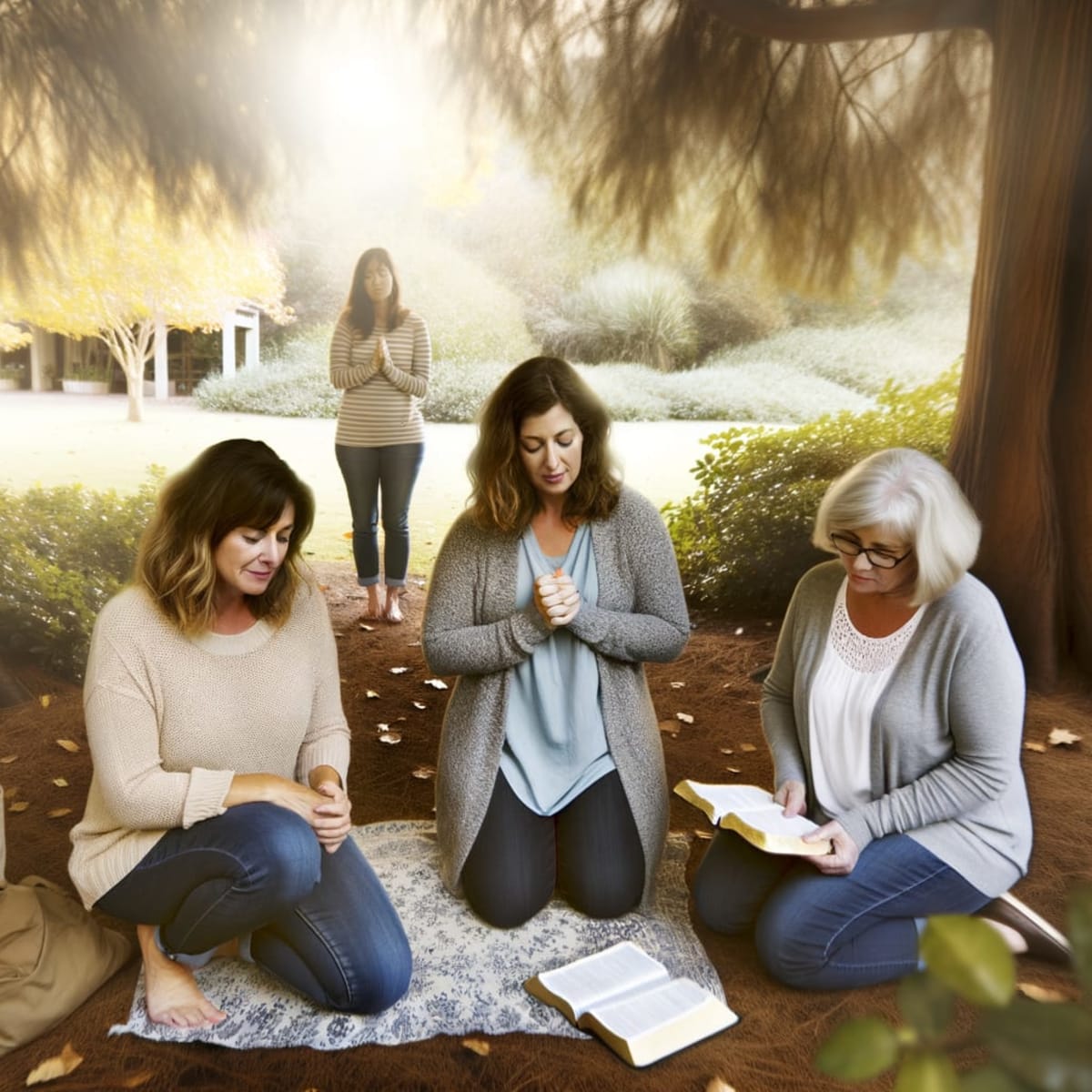
Let me be honest about hard moments. Some days I wake up with the same old questions and the same stubborn ache. In those days, daily surrender to god looks like naming the pain first and then choosing God’s voice over the loudest hurt. It looks like turning toward Scripture, kneeling in prayer, and choosing to extend mercy when it would be easier to respond in anger. It looks like walking away from a conversation before words become weapons, and instead asking God to soften my heart. It’s not glamorous. It’s honest. And it’s the kind of honesty that invites healing to deepen its roots in us.
You might wonder if surrender requires a big act. Sometimes a big act is exactly what God asks of you. Other times it’s a slow practice—one prayer, one decision, one act of obedience at a time. Either way, daily surrender to god invites healing to move through your mind, through your heart, and into your relationships. It invites you to become someone who can live with less fear and more trust, someone who believes that renewal is possible even in the middle of a hard season. And as you keep showing up, you’ll notice an inner peace that doesn’t erase the pain but reframes it to reveal the presence of God amid it.
Practical takeaways to guide your daily surrender to god
Here are simple, repeatable steps you can try this week. Take what resonates, skip what doesn’t, and let God lead you one small step at a time.
- Begin with a short morning confession that you will seek God’s guidance today through daily surrender to god.
- Keep a forgiveness journal. Write down the hurt, then write a brief note of mercy to the person or to God about what you want to release.
- Pray for wisdom to see the hurt from the other person’s perspective. Sometimes this helps you choose mercy over judgment.
- Invite a trusted friend to pray with you. Community supports your healing and keeps you accountable to your own commitments to surrender.
- Memorize a short verse that anchors your heart. For example, reflect on the verses above and let them inform your daily choices.
- Practice being still before God at the end of the day. Listen more than you speak and let him illuminate the next right step.
And if you’re thinking this is too hard, you’re not alone. This is where grace meets practice. It’s okay to begin with a soft, honest start and build from there. daily surrender to god is exactly that—an invitation to begin again, with hope, with truth, and with the knowledge that healing is not only possible but closer than you think when we walk it out together.
Frequently asked questions
Below are a few common questions I hear from women who are learning to live this daily rhythm. I hope these short answers bless and clarify as you begin your own practice of surrender.
FAQ 1: What is daily surrender to god?
Daily surrender to god is choosing to place your day, your plans, and your reactions into God’s hands. It’s a continual decision to trust him with your hurts, your timeline, and your healing. It isn’t a guarantee against pain, but it is a promise that God will meet you in the process and guide you toward restoration.
FAQ 2: How can I start if forgiveness feels impossible?
Begin with a small, honest step. Name the hurt to God, then ask him to help you release the burden you’re carrying. Write down what you feel and commit to praying for the other person, even if they never know. Over time, these small steps compound into freedom you can actually feel.
FAQ 3: Which scriptures are most helpful for this journey?
Ephesians 4:32 and Colossians 3:13 offer clear guidance on kindness, compassion, and forgiveness. They remind us that healing follows obedience and that forgiveness mirrors how God has treated us in Christ. When you feel stuck, returning to these verses can steady your steps and renew your hope.
FAQ 4: How do I keep moving forward when my feelings pull me back?
Staying in community helps a lot. A good group of friends who pray with you can anchor you when you wobble. Reminders like Post-it notes with I am statements or short daily prayers keep your focus on God rather than your hurt. Remember, progress often looks like small, repeated decisions, not sudden leaps.
FAQ 5: What is the long view of healing in this practice?
The long view is renewal of your heart and a deeper trust in God. Healing comes as you consistently choose obedience, even when feelings lag. You’ll notice that your posture toward others softens, your daily energy increases, and your sense of purpose in God grows stronger. That’s the hopeful arc of daily surrender to god.
Category and closing thoughts
If you’re reading this and you’re a woman who wants to walk with more grace and resilience, I want you to know this is for you. Healing is possible. Not by pretending the hurt isn’t real, but by choosing to trust God with your whole heart, day by day. daily surrender to god isn’t a project to complete; it’s a lifestyle to enter. And as you lean into it, you’ll discover that forgiveness becomes less about the person who hurt you and more about the transformative work God wants to do in you. We are on this journey together, and our shared story is full of hope, mercy, and the quiet power of God at work in our everyday lives.