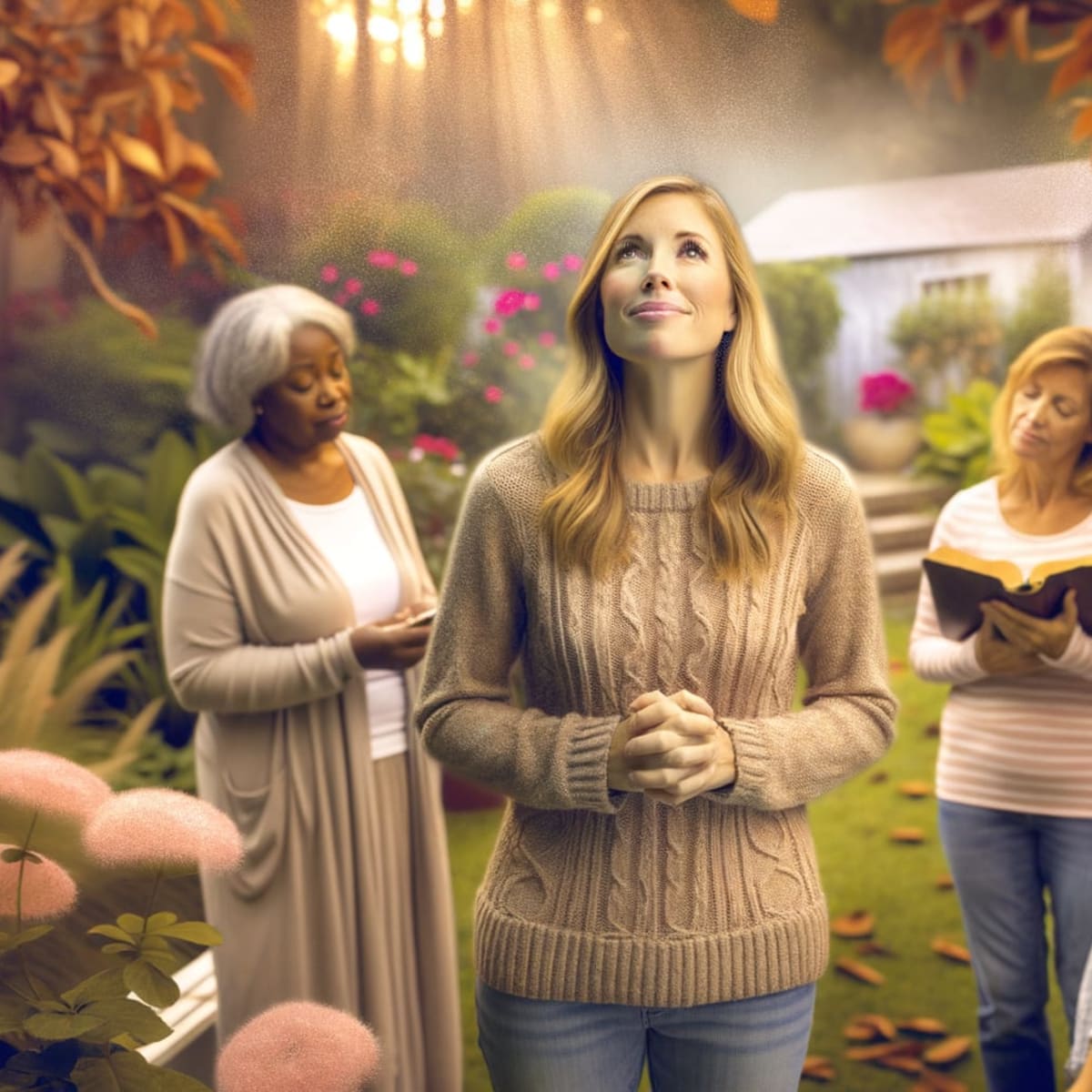

Church story night ideas that feel safe, simple, and Spirit-led
Can I tell you something? Most women don’t need a stage—we need Christian community for women that feels safe, honest, and welcoming. We need a safe room, a warm invitation, and a little guidance so we don’t spiral into “I don’t know what to say.”
That’s why I love church story night ideas that are simple and clear—they’re powerful tools for building Christian community support without pressure. A story night can happen at church, in your living room, around your kitchen island, or in a small group classroom with bad lighting and really good coffee. It doesn’t have to be fancy to be holy.
And here’s the thing. When we share out of freedom, not pressure, it changes the room—especially for women walking through healing from church hurt. That’s the goal. Not polished stories, but honest ones that invite healing from spiritual perfectionism and fear-based faith. Not dramatic details. Just real women saying, “Here’s where God met me,” and letting the Lord do what only He can do while deepening relationship with God together.
Why church story night ideas matter for women in our community
I’ve watched it happen over and over. One woman shares something simple, and you can feel the room exhale. Someone else whispers, “Me too.” And suddenly we’re not alone anymore.
That “me too” moment is where healing starts in community and where Christian support in crisis becomes tangible. Not because we’re fixing each other. But because we’re finally being honest together.
Story nights build connection without forcing people to overshare
Some of us hear “testimony night” and instantly picture a microphone, a long line, and a panic attack. I get it. But story nights don’t have to be that.
We can make space for brave sharing and healthy boundaries at the same time, which is a form of spiritual self care tips in community. We can be honest without telling everything. We can honor the healing process and still give God glory.
Romans 12:15 gives us the tone for the whole night
This is the verse I come back to when I’m planning a story night, because it sets the culture. Not performative. Not awkward. Just deeply human and deeply Christian.
Romans 12:15 (CSB) says, “Rejoice with those who rejoice; weep with those who weep.”
That’s story night. We celebrate what God has done, and we also make room for tenderness. Not heaviness. Not trauma-dumping. Just real compassion. And a reminder that we belong to each other.
Church story night ideas for a simple plan that actually works
Let me give you a plan you can repeat. You can run this at church once a quarter, or in your home once a month, or whenever your group needs a reset and a reminder that God is still moving.
Start with a clear, kind welcome
I usually say something like, “Tonight is a grace zone. You can share a little or a lot. You can pass. You’re safe here.”
That one sentence alone lowers the temperature in the room. People relax when they know they aren’t being forced to talk, which helps them share faith confidently when they’re ready.
Set simple time limits (they help everyone feel safe)
Time limits sound strict, but they’re actually loving. They keep the night from drifting, and they protect the emotional bandwidth in the room.
Here’s a timing framework I’ve used (and tweaked depending on the group size):
- Opening prayer, 2 minutes
- Host sets expectations and tone, 3 minutes
- Two or three longer stories, 5-7 minutes each
- Open share (optional), 2-3 minutes per person
- Prayer in pairs or triads, 8-10 minutes
- Closing blessing, 2 minutes
Short. Clear. Everyone knows what to expect.
Use prompts (because blank air is intimidating)
Most women aren’t afraid of sharing. They’re afraid of not knowing where to start.
So I always bring prompts. I’ll even print them on little cards if I’m feeling extra mom-mode that day.
Here are church story night ideas for prompts that stay hope-forward and wise:
- Where did you see God provide for you recently (big or small)?
- What is one thing God has been teaching you in this season?
- When did you feel peace you couldn’t explain?
- What is a prayer God answered, even if it looked different than you expected?
- Who has been part of your healing or growth lately?
- What is one Scripture that has been holding you up?
Notice what these do. They invite testimony without requiring anyone to relive their hardest chapter in detail. That matters.
How to facilitate story nights with gentleness and good boundaries
Can I be honest? The difference between a beautiful story night and a messy one is usually the facilitator. Not because you’re controlling the room. But because you’re keeping the room safe.
And you don’t have to be a “leader type” to do that. You just have to be steady, kind, and clear.
Say out loud what “safe sharing” looks like
I like to name this at the beginning, in everyday language. Nothing formal. Just clear expectations.
- We share with hope, not to shock people.
- We don’t give graphic details.
- We can be honest and still be wise.
- We don’t fix each other. We listen and we pray.
- What’s shared here stays here (unless someone is in danger and needs help).
Not everyone has earned a front row seat to your whole story. I say that gently, because it’s true.
Model the tone with your own short story
If you’re hosting, go first. Keep it to 2-3 minutes. And make it normal. Not a performance.
Maybe it’s about how God met you in a season of waiting. Maybe it’s about a conversation in your kitchen that changed the way you pray. Maybe it’s about how you’re still learning (because that’s real life).
Sometimes the bravest and most helpful words are just, “I don’t have a neat ending yet, but God is with me.”
Know how to lovingly redirect without shaming anyone
This part scares people. But it doesn’t have to. You’re not scolding. You’re guiding.
If someone goes long, you can say, “I’m going to pause you there just so we have time for others too.”
If someone starts sharing details that feel too raw for the room, you can say, “Thank you for trusting us with that. Let’s focus on where God is meeting you in it right now, and we can follow up after if you’d like.”
Gentle. Clear. Still honoring her courage.
Church story night ideas for prayer that doesn’t feel awkward
Prayer at the end is where a story night becomes more than “sharing time.” It’s where we put our stories back into God’s hands together.
And if you’re worried it’ll feel awkward, you’re not alone. Keep it simple.
Try a short guided prayer first
I’ll often pray something like, “Jesus, thank you for meeting us in real life. Thank you for what you’ve done, and what you’re still doing. Teach us to carry each other well. Amen.”
Short prayers can be powerful prayers.
Then move into pairs (with an easy structure)
Here’s a structure that keeps people from feeling stuck:
- Each person shares one sentence, “Tonight I need prayer for…”
- The other person prays for 30-60 seconds
- Switch
No one has to preach. No one has to be eloquent. God honors willing hearts.
Invite the Romans 12:15 response
Sometimes, after a few stories, I’ll say, “Let’s practice Romans 12:15 right now. If you heard something joyful, thank God for it. If you heard something tender, ask God to bring comfort.”
It gives the room a clear way to respond. And it keeps us from turning prayer into advice-giving.
My favorite church story night ideas for themes and formats
If you’re leading regularly, themes help keep it fresh. They also help women choose what to share without feeling like they need to cover their whole life story.
Simple themes you can repeat all year
- “God showed up when…”
- “A prayer I didn’t expect God to answer”
- “A Scripture that carried me”
- “A friendship God used to heal me”
- “A small yes that mattered”
- “What I’m learning about trust”
Three formats depending on your group size
- Small (4-8 people), everyone shares 2-3 minutes
- Medium (9-20 people), 2 featured stories plus open share
- Large (20+ people), 3 featured stories plus table discussion prompts
And remember, friend, obedience matters more than polish. God uses surrendered stories.
Common mistakes to avoid (and how to keep it hope-forward)
I’m going to keep this practical. Because we’ve all been to nights that felt a little chaotic.
Don’t let the night turn into fixing or teaching
Story night is not Bible study night. It’s not counseling night either. It’s testimony, community, and prayer.
If someone starts giving advice, you can gently say, “Let’s make space to just listen right now.”
Don’t pressure anyone to share
Some women will come and listen for months before they speak. That’s not failure. That’s trust being built.
We learn to be the kind of community that treats stories with care.
Don’t confuse vulnerability with oversharing
Vulnerability is telling the truth with wisdom. Oversharing is dumping details that you haven’t processed yet or that the room can’t hold.
I’ve learned this the hard way. Healing in secret often comes before speaking in public. And that’s okay.
A simple hosting checklist you can screenshot and reuse
If you want a quick set of church story night ideas you can actually follow, here you go.
- Pick a date, a place, and a start and end time
- Choose one theme and 5-6 prompts
- Decide your time limits (and stick to them kindly)
- Open with prayer and a clear welcome
- Share first to model tone and boundaries
- Close with prayer (guided prayer, then pairs)
- Follow up with anyone who shared something tender
Closing encouragement for leading your first story night
Let me encourage you before you go plan all the things. A story night doesn’t have to be big to be bold. Sometimes it’s just a few women in a living room, learning to listen well and love well.
And if it feels a little awkward at first? That’s normal. You’re building something. You’re creating space for freedom to multiply.
So start simple. Pray. Invite your people. Use these church story night ideas as a framework, then let the Holy Spirit lead the rest.